
Dialing Rules for Louisiana Phone Codes
Where the phone sits decides how many digits a local call takes. Three regions of the state now require all 10. North and central Louisiana, under 318 and its 457 overlay, went mandatory on August 25, 2025. Acadiana under 337 and New Orleans under 504 made the same move on October 24, 2021, for a different reason: both had live 988 exchanges and had to clear the way for the crisis line. That leaves 225 around Baton Rouge and 985 across southeast Louisiana. No statewide order forces 10 digits in those two, so whether a seven-digit local call still completes depends on your carrier and the local calling rules that apply to your line.
| Call Type | Dial Format | Pattern |
|---|---|---|
| Local call in 318, 457, 337 or 504 | Area code plus seven digits | NPA-NXX-XXXX |
| Local call in 225 or 985, where the carrier still allows it | Seven digits | NXX-XXXX |
| Long distance inside the United States | 1, then area code, then seven digits | 1-NPA-NXX-XXXX |
| Toll-free | 1, then the toll-free code, then seven digits | 1-800-NXX-XXXX |
| International from a Louisiana line | 011, then the country code, then the number | 011 + country + number |
| Short service call | Three digits, no area code | N11 |
Mobile phones hide most of this. Tap a saved contact and the handset sends whatever it stored, which is usually the full 10 digits. Landlines, office phone systems, alarm panels and fax machines are the ones that break when a rule changes.
N11 Phone Codes Used in Louisiana
Nine short codes reach a service directly, with no area code in front. Louisiana uses all of them, though what answers on the other end varies by code and sometimes by town. Dial 211 and you reach the Louisiana 211 statewide network, which also takes a text message: send your ZIP code to 898-211. Dial 988 and you reach Louisiana 988, live since July 2022 and routed to a local call center whenever one is available. 311 is the one that depends on where you live, because it only works where a local government has built the service.
| N11 Code | What It Reaches in Louisiana |
|---|---|
| 211 | Louisiana 211, the statewide community information and referral network. Dial 211 or text your ZIP code to 898-211. |
| 311 | Non-emergency city services where a local government offers it. New Orleans and Baton Rouge run the two strongest lines. |
| 411 | Directory assistance. Often billable, and the state directory warns callers about the charge. |
| 511 | LaDOTD travel information for road conditions and closures. |
| 611 | Customer service and repair for whichever carrier you pay. |
| 711 | Louisiana Relay Service. TTY and TDD users can also call 800-846-5277, voice users 800-947-5277. |
| 811 | Call before you dig, so utilities can mark buried lines. |
| 911 | Police, fire and emergency medical response. |
| 988 | Louisiana 988, the suicide and crisis lifeline. Call, text or chat. |
New Orleans runs the busiest 311 line in the state. NOLA 311 answers around the clock and feeds a request-tracking portal, and Baton Rouge operates its own Red Stick 311 service on the same idea.
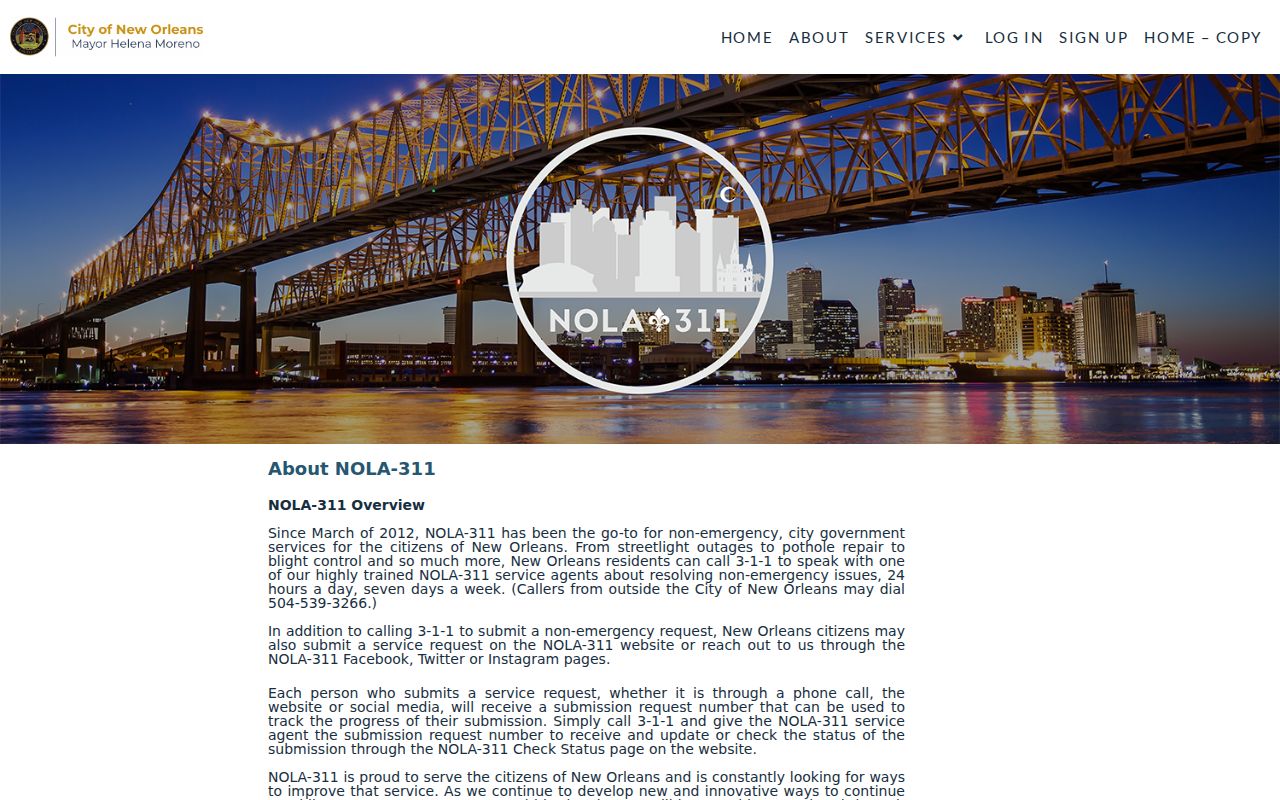
Where no local 311 exists, the fallback chain is the city or parish switchboard first, then the parish clerk's office, then the state directory for anything at the agency level.
Then there is 811, the code people forget until a shovel hits something expensive. Any digging job is supposed to start with that call, including a fence post or a mailbox, so utilities can come mark their lines. Utilities push the reminder themselves. The SWEPCO outage page serving north Louisiana tells customers to dial 811 before they dig.
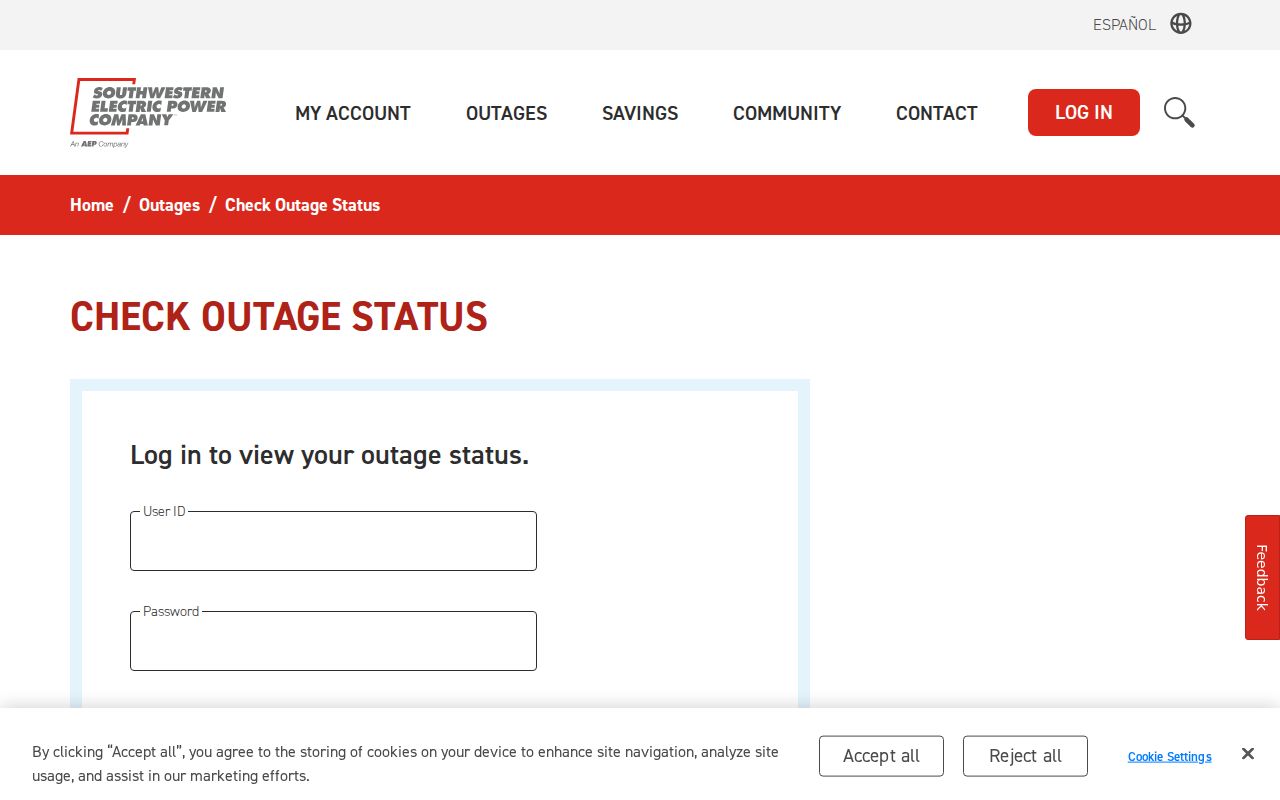
That reminder carries weight across the 318 and 457 region where SWEPCO operates. Cutting a buried line turns a small weekend job into an outage and a repair bill.
A few of the remaining codes come with caveats worth knowing. Directory assistance at 411 can show up on your bill, which is why the state phone book flags it. LaDOTD travel information sits on 511. Your own carrier answers 611. The Louisiana Relay Service opens on 711, and it also publishes toll-free lines for TTY and TDD users at 800-846-5277 and for voice users at 800-947-5277.
Note: 911 is the only N11 code that dispatches emergency responders, so the other eight will not send police, fire or an ambulance.
Star Codes on Louisiana Lines
Star codes are the oldest trick in the phone book and plenty of Louisiana lines still honor them. Press the star key, then two digits, and the switch changes how it handles your next call. Support is uneven, though. Traditional landline service tends to cover the whole list. Wireless carriers cover part of it. VoIP providers vary widely, and some substitute their own app settings instead. Ask your carrier before you count on any of these, particularly anything tied to safety.
| Star Code | Action |
|---|---|
| *57 | Call trace, used after a threatening or harassing call |
| *60 | Selective call blocking for specific numbers |
| *67 | Block your caller ID for one outgoing call |
| *69 | Return the last incoming call |
| *70 | Turn off call waiting for one call |
| *72 | Turn call forwarding on |
| *73 | Turn call forwarding off |
| *77 | Reject anonymous calls |
| *82 | Unblock your caller ID for one outgoing call |
Of the whole set, *57 is the one worth memorizing. It asks the carrier to trace the call that just came in and keep the record, and that record normally goes to law enforcement rather than back to you. Dial it right away, before another call arrives, and expect the carrier to ask about a police report.
Calling Into and Out of Louisiana
The country code for the whole North American Numbering Plan is +1, and Louisiana sits inside it along with the rest of the United States, Canada and a couple dozen territories. You almost never dial it within the country. It matters when a call comes in from abroad, or when a contact is saved on a mobile in international format.
- Local call inside Louisiana: dial the area code and then the seven-digit number. In 318, 457, 337 and 504 this is the only pattern that works.
- Long distance inside the United States: dial 1, then the area code, then the seven-digit number.
- Calling another country from a Louisiana landline: dial 011, then the country code, then the local number.
- Calling another country from a mobile in Louisiana: hold the 0 key until a plus sign appears, then dial the country code and the number.
- Calling a Louisiana number from overseas: dial your country's exit code, then 1, then the 10-digit Louisiana number.
Hotel systems and office phone systems add their own outside-line digit ahead of all of that. Louisiana's own State Government Telephone Directory publishes dialing instructions for state offices for exactly that reason.
Louisiana Area Codes as Phone Codes
The three digits at the front of a number are phone codes too, just the geographic kind. Six of them serve the state. Five map to a region of their own, and the sixth shares its region with another code rather than taking territory from it.
- 225 - Baton Rouge and the capital parishes, in service since 1998
- 318 - north and central Louisiana, in service since 1957
- 337 - Acadiana and southwest Louisiana, in service since 1999
- 457 - overlay on 318, with new numbers issued since September 2025
- 504 - the New Orleans metro core, Louisiana's original code from 1947
- 985 - southeast Louisiana outside the 504 core, in service since 2001
Coverage parish by parish, along with the split and overlay history behind each one, sits on the Louisiana area codes page.
Exchange Codes Inside Louisiana Numbers
Here is a mix-up worth heading off early. LSU Eunice answers at 337-457-7311. That 457 is not the new area code. It is the exchange code, the middle three digits of the number, and it has been part of Eunice phone numbers far longer than 457 has been an area code anywhere. The full shape of a Louisiana number is NPA-NXX-XXXX: area code, then exchange, then the four-digit line number. Nothing stops the same three digits from appearing in either slot, which is why a number can look like north Louisiana while ringing a campus in Acadiana.
Exchange codes cluster by agency and by city. Louisiana state government offices in Baton Rouge sit largely on 225-342. New Orleans city departments answer across a long run of 504-658 numbers. Those patterns are handy shortcuts, not proof of anything. Portability lets a number keep its exchange when it moves to a new carrier, so the middle three digits tell you where a number started life rather than who holds it today. NANPA publishes the assignments state by state in its Central Office Code Assignment Records.
Note: An exchange code points at a rate center rather than a neighborhood, so two towns some distance apart can share the same middle three digits.
Toll-Free and Premium Phone Codes
Some codes carry no geography at all. Toll-free numbers come out of a national pool, so an 800 line answering a call from Lafayette might route to a center three states away. Seven families are in use, each opened once the previous one filled up: 800, 888, 877, 866, 855, 844 and 833. The called party covers the cost of the call, which is the whole point of them.
- 800, 888, 877, 866, 855, 844, 833 - toll-free families, free to the caller
- 900 - premium rate, and charges land on the caller
- 976 - a legacy premium prefix worth treating the same way
- Location - none of these codes says anything about where a business actually sits
Louisiana state government keeps a toll-free line of its own for directory help. Statewide, that is 800-256-7777, and callers in Baton Rouge can use 225-342-6600 instead. Either one is the quickest route when a published agency number turns out to be stale.
Spam Labels on Louisiana Caller ID
A "Likely Spam" banner is a carrier's guess, not a verdict. It comes out of risk scoring built on call volume, complaint history and how long a number has been active. Legitimate numbers get swept up in it regularly, and small businesses that dial a lot of customers in one day are the usual casualties. STIR/SHAKEN is a separate piece of the picture. It is the FCC caller-ID authentication framework, and it lets carriers check whether the number showing on your screen was actually authorized to place the call. Passing that check does not make a call honest. It only means the caller ID was not forged along the way.
Calls that keep coming after you ask them to stop belong in a complaint. The FCC's guidance on unwanted calls and texts explains what to file and what happens next.
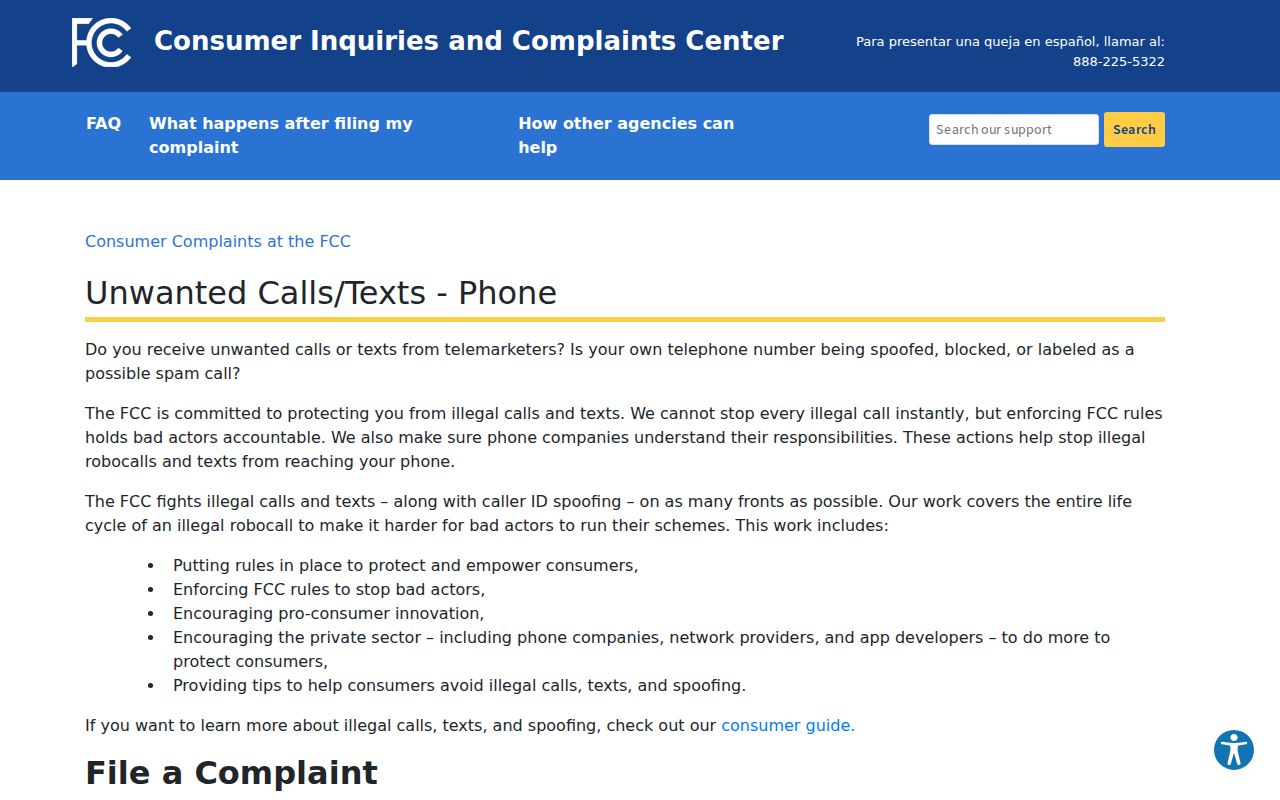
One complaint rarely stops a caller on its own. Patterns across many complainants are what enforcement actually runs on, so filing is worth the five minutes even when nothing seems to happen.
Blocking tools live with the carriers. Most sell or bundle a call-filtering app that flags or silences suspected spam before the phone rings, usually with a free tier and a paid tier above it. Verizon Call Filter shows how those products are typically packaged.
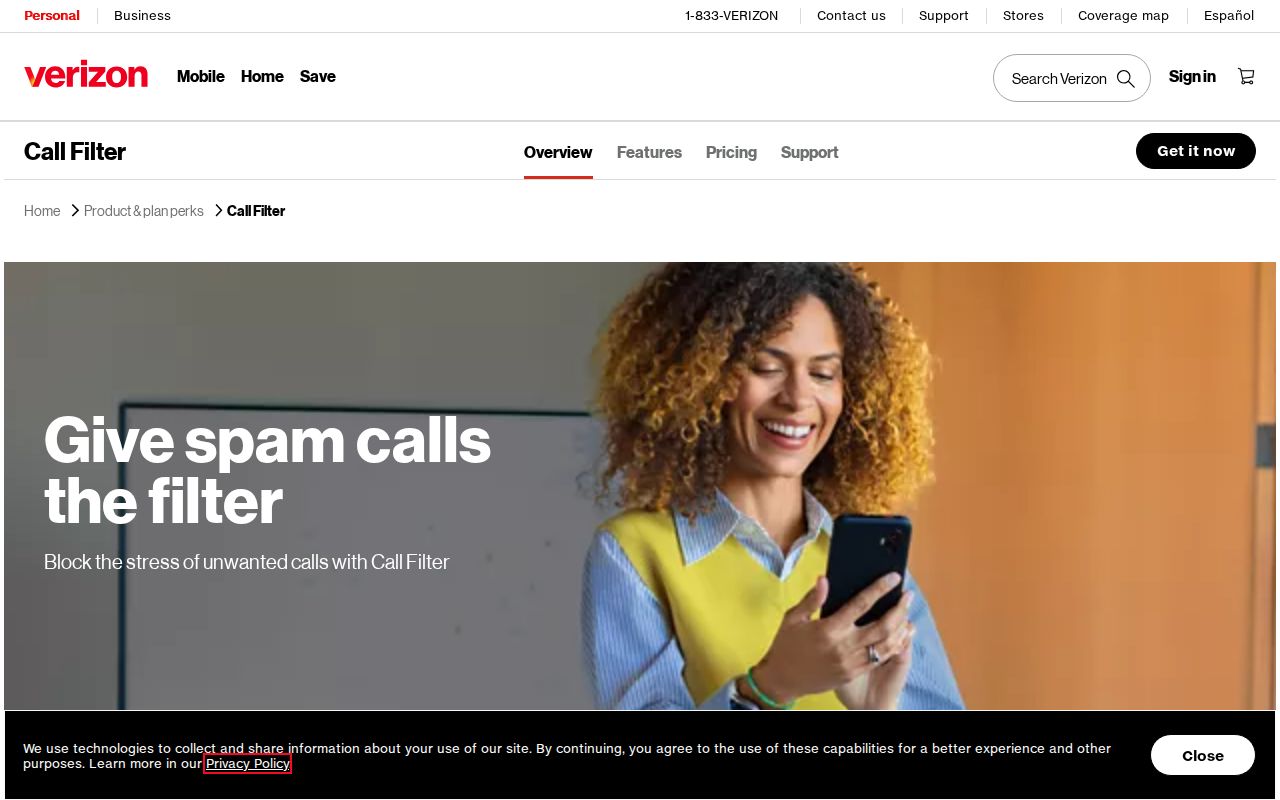
Whichever carrier you use, a filter is a label rather than a lock. Numbers you want can be silenced by mistake, so it pays to look through the blocked list every so often.
Note: A Louisiana area code on your screen proves nothing, because spoofing software can display whatever number the caller chooses.
Louisiana Phone Code Definitions
Six terms cover nearly every question about codes. They turn up constantly in carrier notices and regulator announcements, almost always without explanation.
- NPA
- Numbering plan area, or area code. The first three digits of a 10-digit number, and the first digit is always 2 through 9.
- NXX
- The central office code, or exchange. The middle three digits, which point at a rate center.
- N11
- A reserved three-digit service code. These cannot be issued as area codes or exchanges.
- Vertical service code
- A star key plus two digits that tells the switch to change how it handles your next call.
- Toll-free prefix
- An area code that shifts the cost of the call to the party being called.
- NANP
- The North American Numbering Plan, the +1 dialing region that Louisiana numbers belong to.
Where to Check a Louisiana Phone Code
Verification takes a minute once you know which source answers which question. Area code and exchange assignments come from NANPA, which publishes both as downloadable reports. Dialing rules and caller-ID rules come from the FCC. Anything about a specific Louisiana rollout comes from the Public Service Commission, which published the 318 and 457 dates itself. For a state agency number, the state phone book is the list to search, and directory assistance for state government answers at 800-256-7777. Looking up a specific number rather than a code is a different job, and the routes for that live on the Louisiana phone numbers page.